Machine Learning
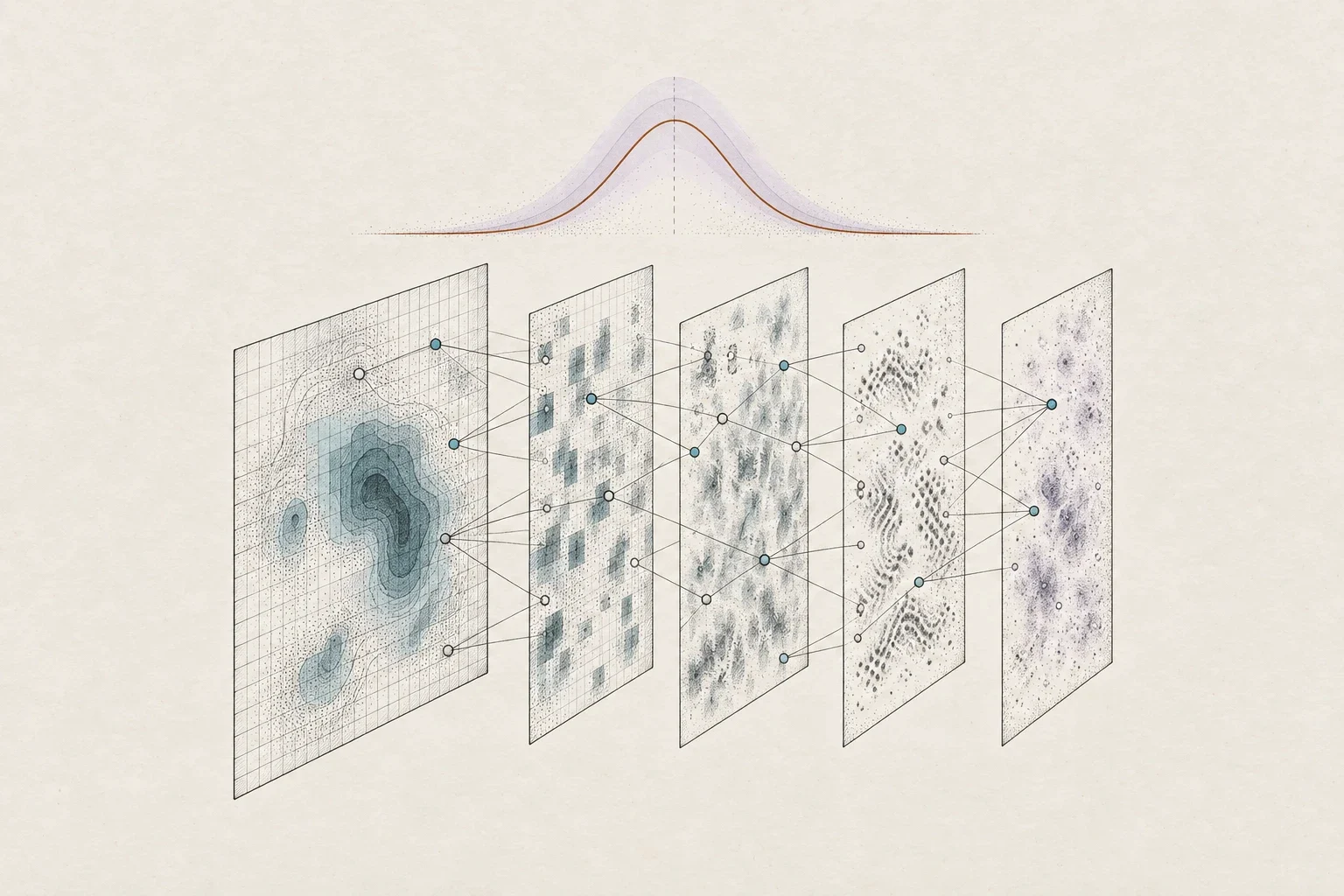
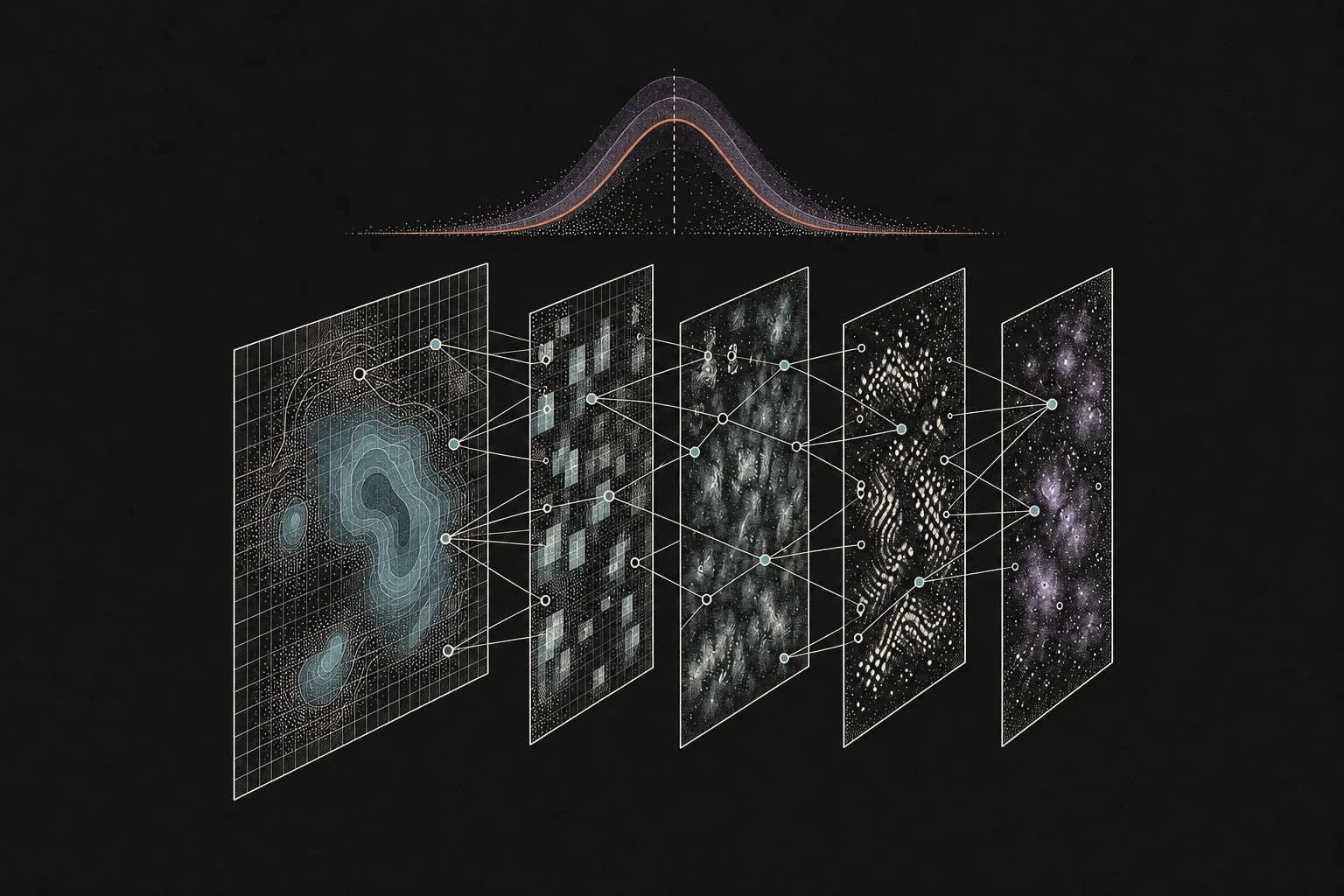
AI models that operate reliably and stably — and know when they might be wrong.
Associate Professor · Fudan University
Machine learning × medical imaging — computational tools for image reconstruction, brain function analysis and disease diagnosis.
About
We are pushing the boundaries of biomedical image analysis using AI.
We are broadly interested in machine learning, medical imaging, and neuroimaging. Our research focuses on creating tools that enhance diagnostic accuracy and improve patient outcomes.
Currently, we are working on building AI models that can: 1) operate reliably and stably (e.g., interpretability, uncertainty), 2) advance medical imaging pipelines (e.g., reconstruction, segmentation), and 3) eventually enhance our understanding of brain functions (e.g., fMRI, dMRI).
Research areas
AI models that operate reliably and stably — and know when they might be wrong.
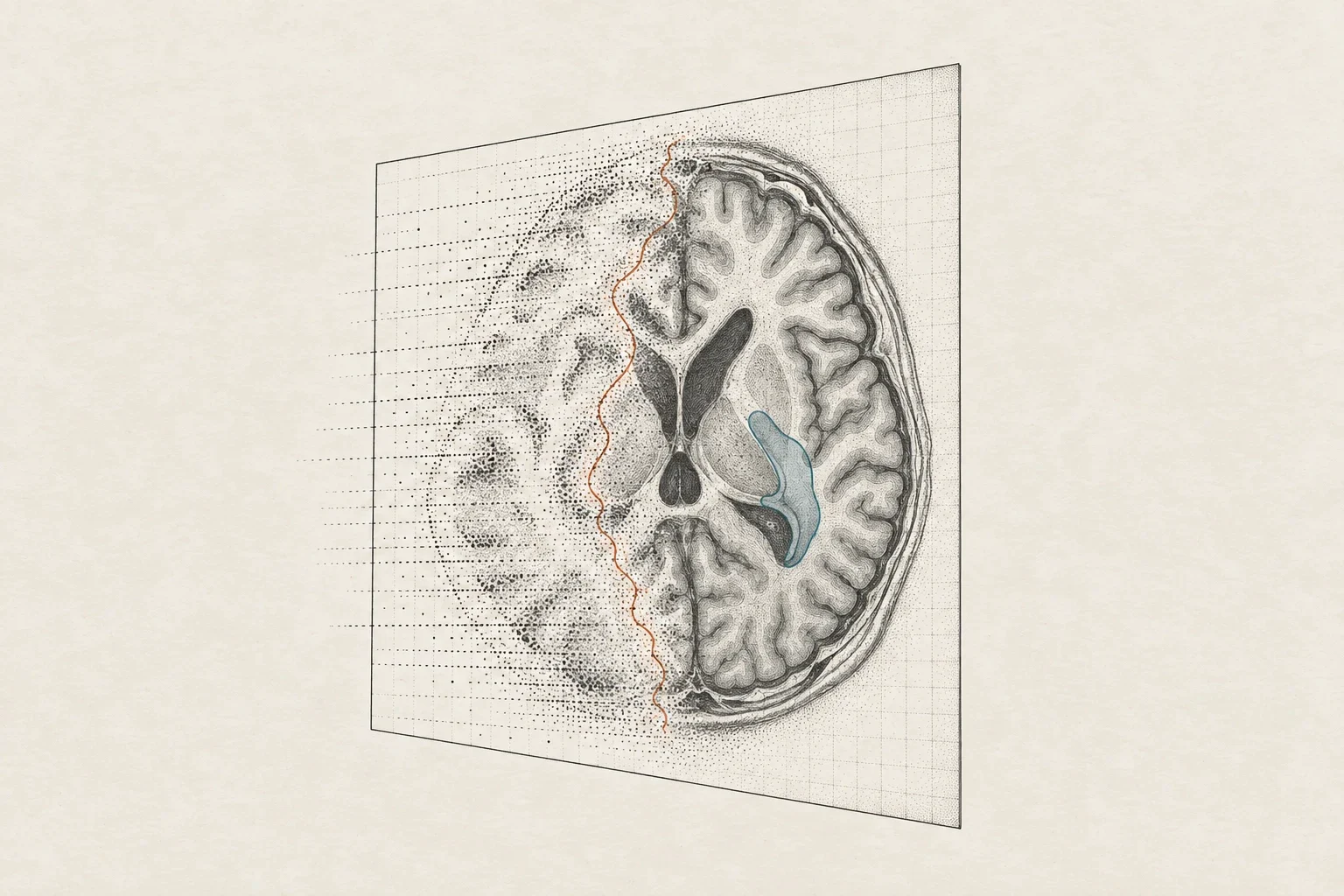
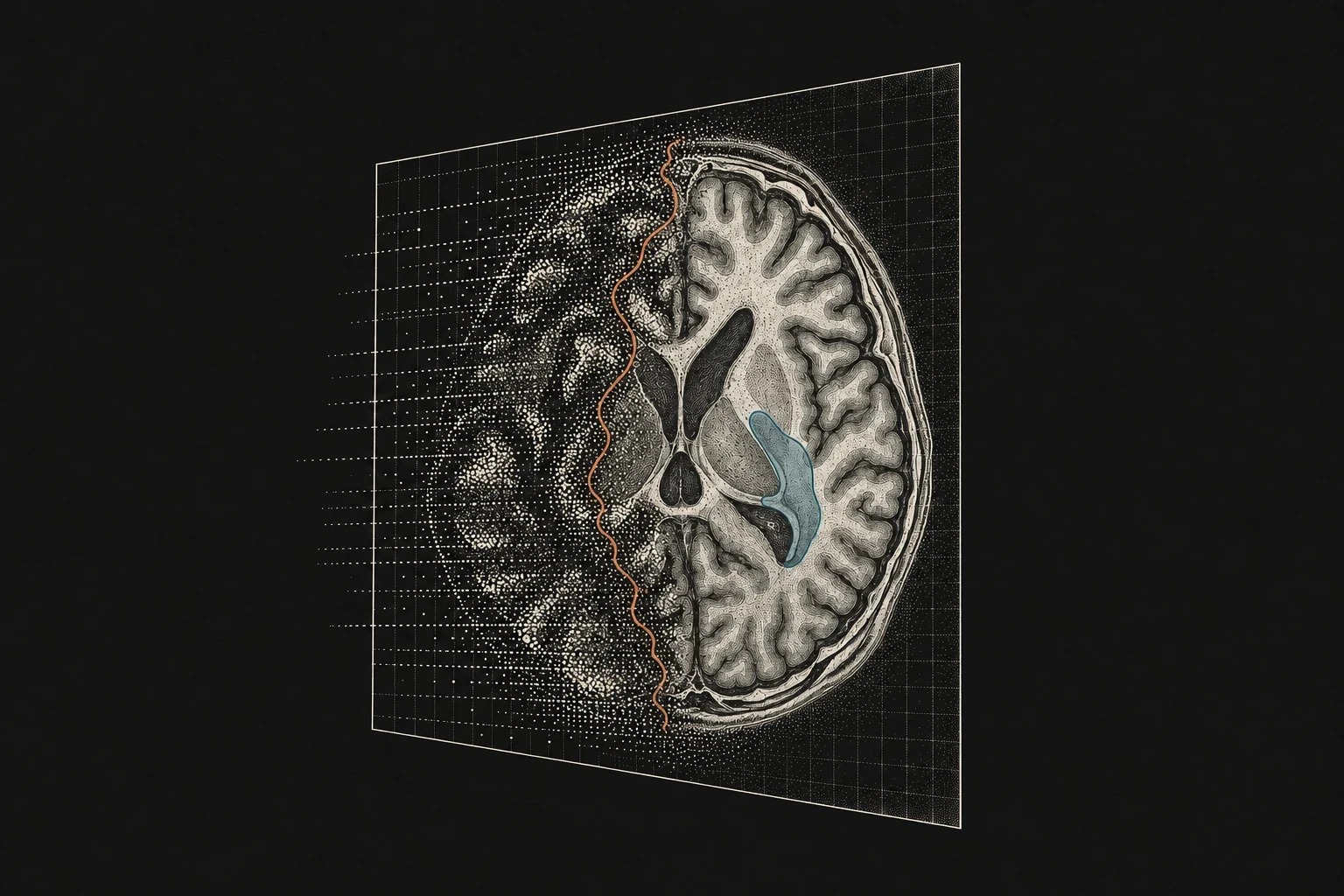
Advancing the imaging pipeline, from raw acquisition to clinically meaningful measurements.
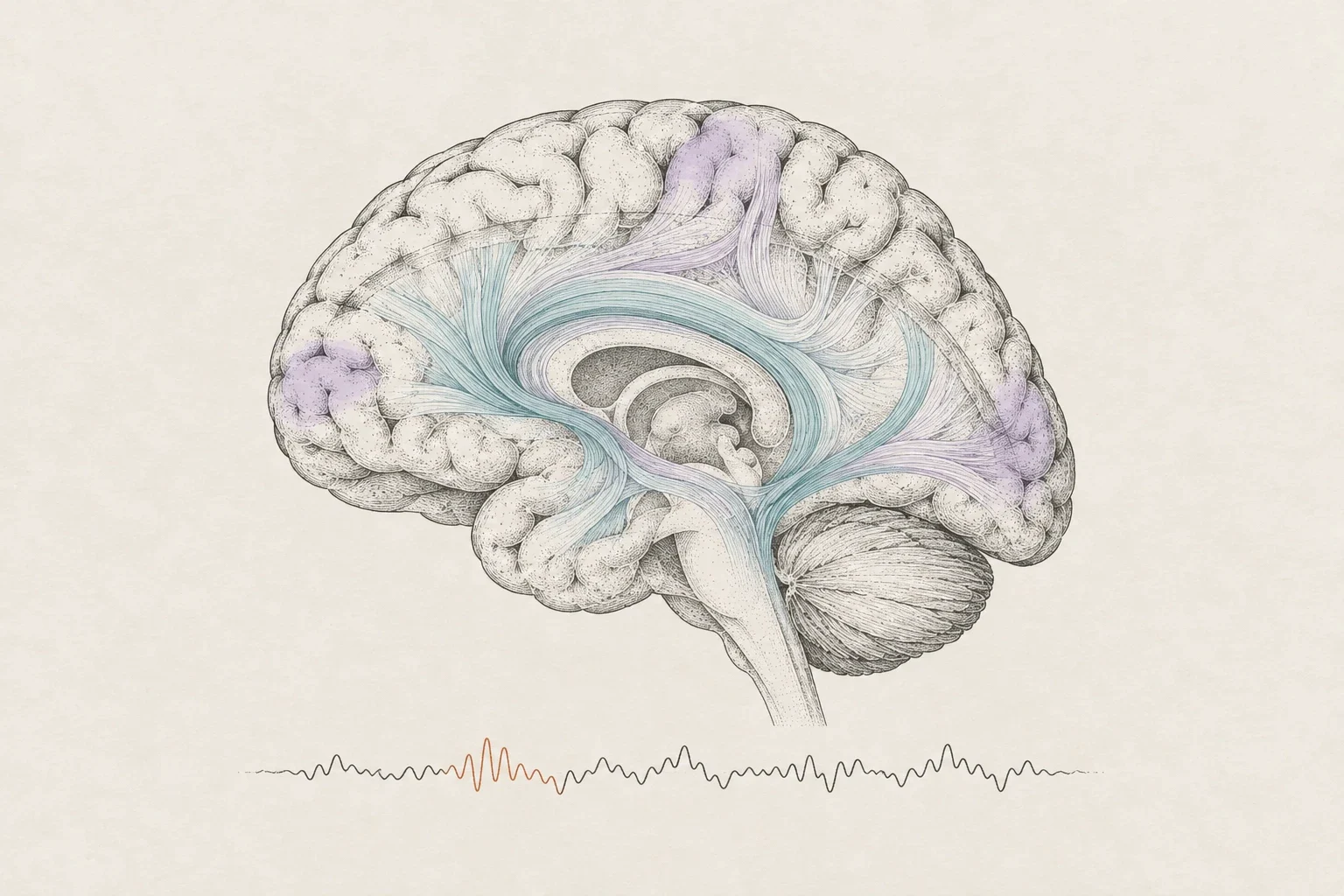
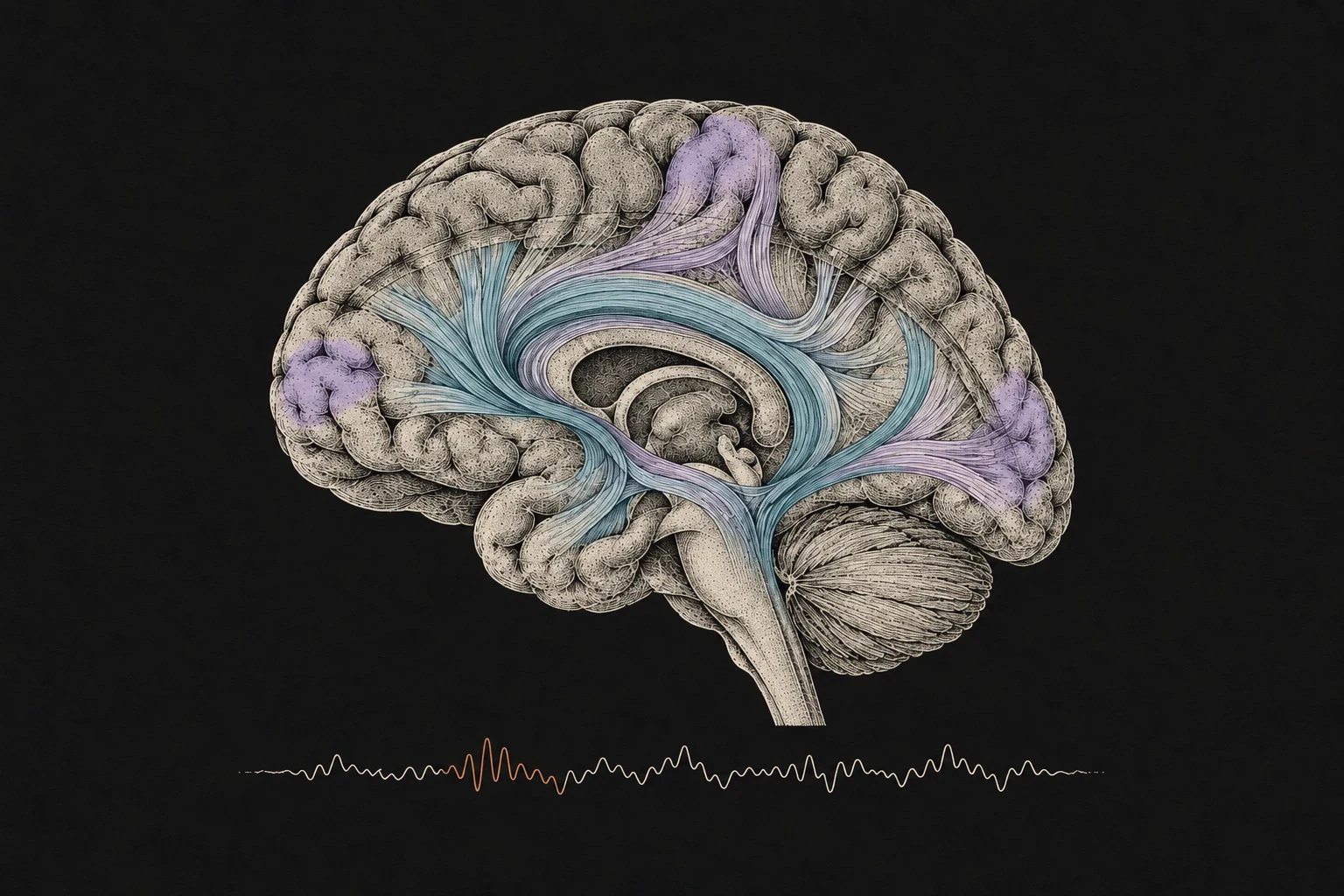
Modelling how the brain is wired and how it works, to deepen our understanding of brain function.
Latest
Join us